

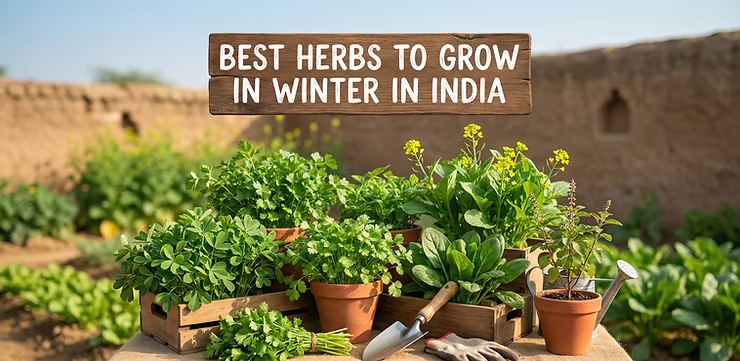
Many people believe that winter is not the right season for gardening, but when it comes to herbs, winter is actually one of the best growing seasons in India. The cooler temperatures, gentle sunlight, and lower evaporation rates create ideal conditions for growing healthy, flavourful herbs.
Unlike summer, herbs experience less stress during winter. The soil retains moisture for longer periods, pest activity is reduced, and plants require less frequent watering. As a result, herbs grow steadily while developing stronger aromas and richer flavours.
The best part is that you don’t need a large garden. A few pots on a balcony, terrace, kitchen window, or sunny corner are enough to grow fresh herbs throughout the season.
Why Winter Is Perfect for Growing Herbs
Winter provides a comfortable environment for most herbs. Since plants are not exposed to extreme heat, they can focus their energy on healthy growth rather than survival.
Benefits of Winter Herb Gardening
✔ Less water evaporation
✔ Fewer pest and insect problems
✔ Better moisture retention in soil
✔ Stronger flavour and aroma in herbs
✔ Lower maintenance requirements
Winter is also the perfect time to focus on building healthy soil, which benefits plants throughout the year.
1. Coriander (Dhaniya)
Coriander is one of the most commonly used herbs in Indian kitchens and thrives during winter.
Simply sow coriander seeds directly into pots or grow bags. The plant requires around 4–5 hours of sunlight daily and regular light watering. Since winter delays flowering, you can harvest fresh leaves multiple times.
Growing Tips
- Directly sow seeds into soil
- Keep soil slightly moist
- Provide partial to full sunlight
- Harvest leaves regularly for continuous growth
Fresh homegrown coriander adds exceptional flavour to curries, salads, and chutneys.
2. Fenugreek (Methi)
Fenugreek is one of the easiest herbs to grow, making it ideal for beginners.
Methi seeds germinate quickly and require minimal care. Simply sow the seeds in pots or grow bags and place them in a sunny location. You can start harvesting fresh leaves within 20–25 days.
Growing Tips
- Sow seeds directly into soil
- Water lightly every few days
- Provide adequate sunlight
- Harvest young leaves regularly
Fresh methi leaves are nutritious and far more flavourful than store-bought varieties.
3. Mint (Pudina)
Mint grows steadily during winter and is less invasive compared to summer growth.
It is best grown from cuttings rather than seeds. Place the pot in a location with bright indirect sunlight and ensure proper drainage to avoid root rot.
Growing Tips
- Grow from stem cuttings
- Use well-draining soil
- Avoid overwatering
- Provide bright indirect light
Mint is perfect for teas, chutneys, drinks, and everyday cooking.
4. Tulsi (Holy Basil)
Tulsi holds a special place in many Indian households. During winter, its growth naturally slows down, which is completely normal.
Place Tulsi in a sunny location and water only when the top layer of soil feels dry. In colder regions, providing some protection during chilly nights can help maintain plant health.
Growing Tips
- Keep in direct sunlight
- Avoid excessive watering
- Protect from severe cold
- Ensure good air circulation
With proper care, Tulsi remains healthy and productive throughout winter.
5. Dill (Suva)
Dill is a fragrant herb that grows exceptionally well during the cooler months.
The seeds can be sown directly into containers or garden beds. Once established, Dill requires very little maintenance and continues producing fresh leaves for several weeks.
Growing Tips
- Directly sow seeds
- Provide full to partial sunlight
- Water moderately
- Harvest leaves regularly
Dill is widely used in salads, soups, and traditional Indian recipes.
6. Parsley
Parsley prefers cooler temperatures and often grows better during winter than summer.
Its leaves become thicker, greener, and more flavourful in cool weather. Regular harvesting encourages new growth and keeps the plant productive.
Growing Tips
- Keep soil lightly moist
- Provide several hours of sunlight
- Harvest outer leaves first
- Avoid waterlogging
Parsley is an excellent addition to small balconies and kitchen gardens.
7. Rosemary
Rosemary is a hardy herb that loves cool, dry conditions.
This Mediterranean herb prefers full sunlight and requires very little watering once established. It is one of the easiest herbs to maintain during winter.
Growing Tips
- Place in full sunlight
- Use well-draining soil
- Water only when soil is dry
- Avoid excessive moisture
Rosemary is perfect for seasoning, herbal teas, and decorative kitchen gardens.
Soil Care for Winter Herbs
Healthy herbs start with healthy soil.
During winter, herbs do not require heavy fertilization. Instead, focus on improving soil structure and nutrient availability through natural organic matter.
Before planting, mix quality vermicompost into the potting soil. Vermicompost improves soil fertility, enhances microbial activity, and slowly releases nutrients that support long-term plant growth.
Benefits of Vermicompost
✔ Improves soil health naturally
✔ Encourages stronger root growth
✔ Enhances moisture retention
✔ Provides slow-release nutrients
✔ Supports healthy microbial activity
A light top dressing of vermicompost once during winter is generally sufficient for most herbs.
Watering Tips for Winter Herbs
One of the biggest mistakes gardeners make during winter is overwatering.
Always check the soil before watering.
Simple Rule
- If the top layer feels dry, water the plant.
- If the soil still feels moist, wait another day or two.
Watering only when necessary helps prevent root rot and fungal issues.
Final Thoughts
Winter is one of the most rewarding seasons for growing herbs in India. With cooler weather, fewer pests, and lower maintenance requirements, even beginners can enjoy a thriving herb garden.
Whether you choose Coriander, Methi, Mint, Tulsi, Dill, Parsley, or Rosemary, providing healthy soil, proper sunlight, and balanced watering will help your herbs flourish naturally.
Start with a few pots, care for your soil, and enjoy fresh, aromatic, homegrown herbs throughout the winter season.
🌿 Happy Gardening!